

World Bank launches a $117M initiative to strengthen Tanzania’s fisheries and aquaculture sector, boosting sustainability and growth.
Tanzania has introduced a USD 117 million (EUR 99 million) initiative supported by the World Bank to strengthen its marine fisheries and aquaculture sector. Known as the Scaling-Up Sustainable Marine Fisheries and Aquaculture Management (TASFAM) program, the five-year project began in early February 2026 following planning that started in May 2025. It aims to expand seafood production, reduce post-harvest losses, and improve long-term sustainability.
The program targets an additional 40,000 metric tons (MT) of sustainable aquaculture production by 2028, with total output expected to reach 250,000 MT by the end of the project. More than 160,000 people across 28 coastal districts on mainland Tanzania and in Zanzibar are expected to benefit.
Approximately USD 14.49 million (EUR 12.3 million) has been allocated to promote a climate-resilient blue economy. This includes improving 23 marine protected areas and supporting ecosystem restoration efforts to maintain productive and healthy fisheries.
A major share of the funding—USD 72.23 million (EUR 61.3 million)—will focus on addressing structural challenges in the fisheries sector. Planned measures include strengthening marine research, enhancing fisheries data systems, supporting co-management of artisanal fisheries with local communities, and upgrading the fisheries value chain to reduce losses and improve product quality. Investments will also cover safer fishing vessels, tracking technologies, at-sea safety equipment, and improved fish handling, processing, and marketing practices.
Infrastructure development is another core component. The project will support the construction of climate-resilient landing sites, fish markets, anchovy storage warehouses, a processing facility for sardines and small pelagic species, and the rehabilitation and expansion of a wharf under a public-private partnership model. These developments are designed to complement community-based programs and business incubation efforts that strengthen value chain activities in key locations.
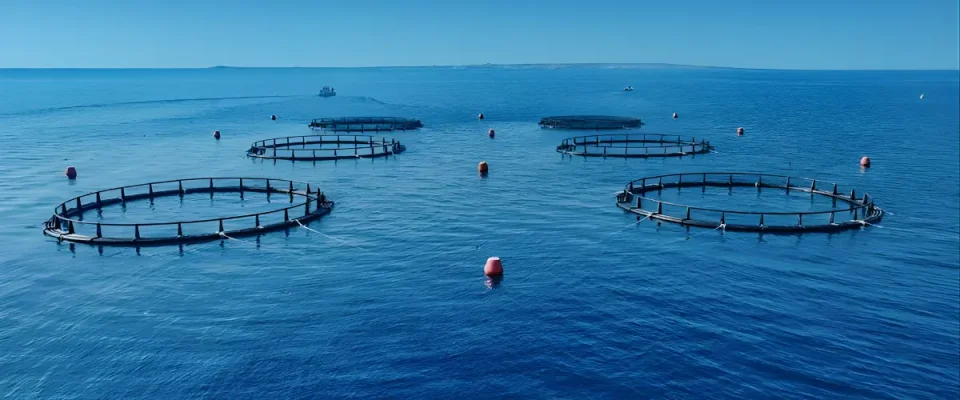
For marine aquaculture, USD 18.4 million (EUR 15.62 million) has been earmarked to enhance seed production, grow-out operations, post-harvest handling, value addition, and marketing, particularly for seaweed and sea cucumber.
The initiative is financed through the World Bank’s International Development Association (IDA) along with the PROBLUE multi-donor trust fund, supported by contributions from several partner countries and institutions. Overall, TASFAM represents a broad strategy to modernize the fisheries and aquaculture sector, improve climate resilience, support coastal livelihoods, and safeguard marine resources for the long term.
News Courtesy : fundsforNGOs