

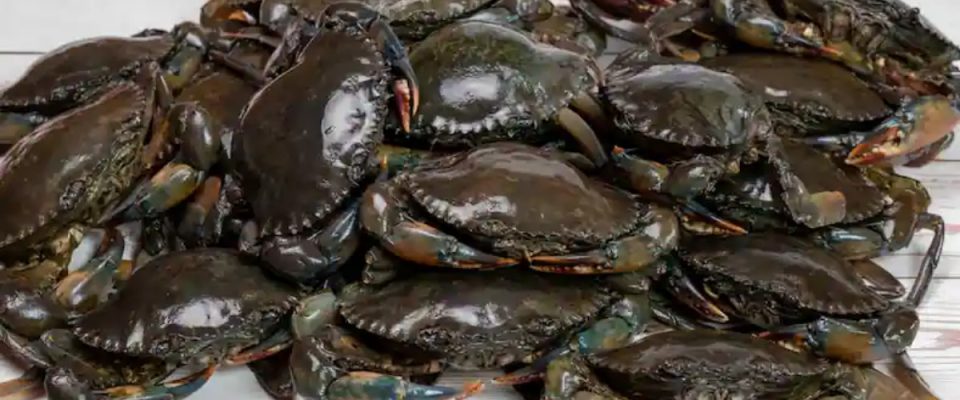
Rising seafood consumption, aquaculture expansion, improved cold-chain infrastructure and growing exports are driving opportunities across India’s crab industry
India’s crab market is projected to expand from US$424.6 million in 2026 to US$597.5 million by 2033, growing at a compound annual growth rate of 5%, according to a market analysis by Persistence Market Research. Increasing seafood consumption, aquaculture development and demand for premium marine products are supporting the sector’s growth.
Crab is gaining popularity across restaurants, hotels, retail outlets, seafood processing businesses and export markets. Its high-quality protein content and premium positioning are contributing to rising consumer interest, while urbanisation and the growth of organised foodservice are creating additional demand.
India’s extensive coastline provides a strong foundation for crab production. Coastal states along both the eastern and western shores play a major role in fishing, aquaculture, processing and distribution. Southern India is also expected to remain an important market because of its established seafood culture, fishing communities and proximity to processing and export infrastructure.
The expansion of mud crab aquaculture and crab fattening is creating additional opportunities for producers. Improvements in pond management, feeding practices, water-quality monitoring and stocking systems can help farmers improve productivity and maintain more consistent output.
Infrastructure development is also transforming the supply chain. Investments in modern seafood processing facilities, refrigerated transportation and cold storage are allowing fresh, chilled, frozen and processed crab products to reach consumers in inland cities. Better temperature-controlled logistics can also help reduce post-harvest losses.
Value-added products are emerging as another growth area. Processors are increasingly developing cleaned, cooked, frozen, portioned and ready-to-cook crab products, making seafood more convenient for consumers while creating opportunities beyond traditional sales of whole or live crab.
Technology is expected to play a larger role throughout the value chain. AI and IoT-based systems can support aquaculture by monitoring parameters such as water temperature, salinity and dissolved oxygen. In processing and logistics, digital monitoring can improve cold-chain management and help maintain product quality.
Traceability is also becoming increasingly important, particularly for exporters. Digital systems can provide greater visibility into sourcing, handling, processing and transportation, helping businesses meet international quality and compliance requirements while strengthening buyer confidence.
Growing international demand for Indian seafood is encouraging exporters to invest in quality control, processing standards, packaging and traceability. These improvements could help Indian suppliers expand their presence in overseas markets and diversify their customer base.
Sustainability is expected to remain an important consideration as the industry expands. Responsible fishing, improved aquaculture practices, habitat protection, efficient resource utilisation and better water management can help support long-term growth while protecting marine and coastal ecosystems.
With rising domestic consumption, expanding aquaculture, stronger processing infrastructure and increasing export opportunities, India’s crab industry is positioned for steady development through 2033. The shift towards technology-enabled production and value-added seafood could further strengthen the sector’s contribution to India’s broader seafood economy.