

Traditional Bihar food products are being presented to international delegates and journalists, highlighting the state’s growing food-processing and export potential.
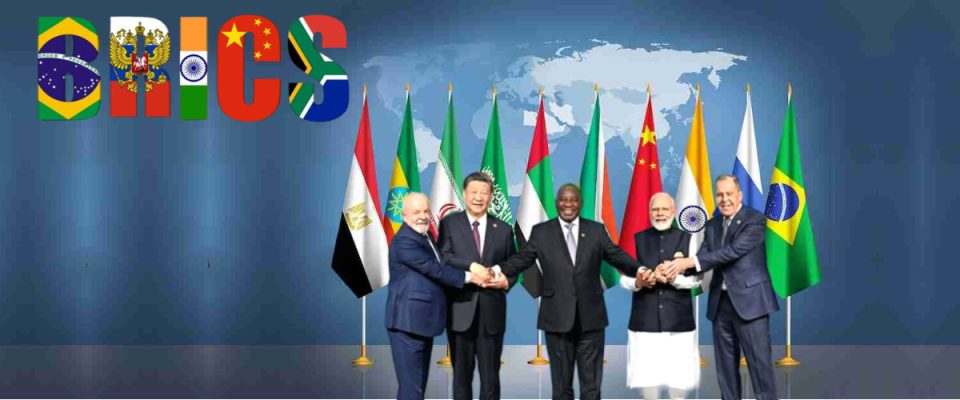
Bihar’s traditional food products, particularly sattu and makhana, have received an international platform through the 18th BRICS Summit being hosted in New Delhi. The products have been included in welcome kits prepared for delegates and journalists, giving Bihar’s food traditions greater visibility among an international audience.
Around 1,500 packets of flavoured sattu and makhana have been prepared for the welcome kits. The products are being presented to delegates from the BRICS countries as part of an initiative to highlight India’s regional food diversity, traditional products and local entrepreneurship.
The sattu included in the kits has been sourced from a manufacturer in Fatuha in Patna district, while the packaged makhana comes from a production unit in Purnia. The sattu was supplied in a Jal Jeera flavour, while three makhana variants — peri-peri, mint, and cream and onion — were selected from the supplier’s wider range.
Sattu, traditionally made from roasted gram, has long been an important part of Bihar’s food culture. It is consumed in several forms, including as a drink and as an ingredient in traditional dishes. Its inclusion at the summit places a familiar regional food product in front of consumers and decision-makers from international markets.
Makhana, also known as fox nuts, has become increasingly important to Bihar’s agricultural and food-processing economy. The state accounts for nearly 90% of India’s makhana production, while national production increased to an estimated 80,590 metric tonnes in 2025–26 from 63,910 metric tonnes in 2024–25, according to agriculture department figures reported by the Times of India.
The international presentation comes as Bihar seeks to strengthen the commercial identity of its agricultural products through branding, processing and value addition. Makhana received a Geographical Indication tag in 2022, supporting efforts to establish its distinct identity in domestic and international markets.
The initiative also connects Bihar’s food producers with the broader “Local to Global” push, demonstrating how traditional products can be positioned for wider markets through modern packaging, flavour development and organised food processing. Greater international exposure could create opportunities for farmers, processors, food brands and entrepreneurs involved in the value chain.
Bihar’s sattu and makhana were presented alongside other regional products, including Arabica coffee from Odisha’s Koraput region and handicrafts from Gujarat. The selection reflects an effort to use the BRICS platform not only for diplomatic engagement but also to showcase India’s diverse food, agricultural and cultural products.
For Bihar’s food industry, the BRICS exposure provides an opportunity to demonstrate the commercial potential of products rooted in local agriculture and traditional consumption. As demand for convenient, nutritious and value-added foods expands, products such as makhana and sattu could find further opportunities in domestic and international markets.