

India has successfully exported its first consignment of GI-tagged Joha rice from Assam to the United Kingdom and Italy, marking an important milestone in showcasing indigenous agricultural products on the global stage.
The 25-metric-tonne shipment was facilitated by the Agricultural and Processed Food Products Export Development Authority under the Ministry of Commerce and Industry. It was dispatched on March 12 in coordination with Assam’s agriculture department.
Joha rice, a traditional aromatic variety known for its distinctive fragrance, fine grain, and rich taste, received its Geographical Indication (GI) tag in 2017. Since then, it has been gaining traction in both premium domestic and international markets.
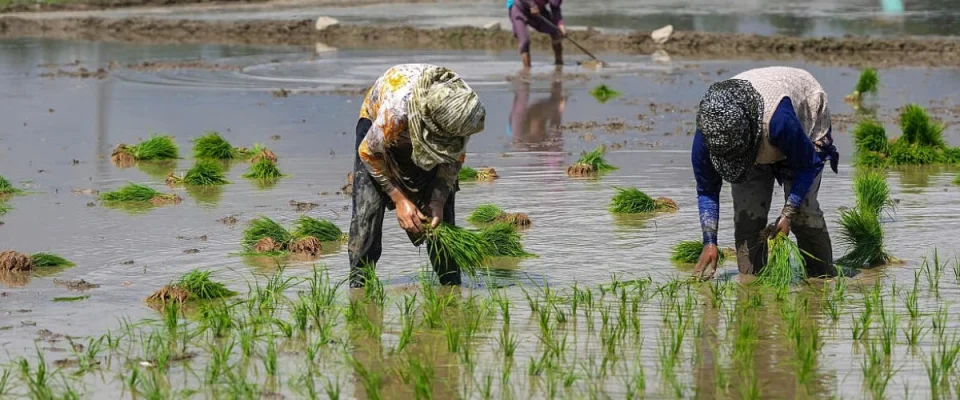
As per official estimates, Joha rice is cultivated across approximately 21,662 hectares in Assam, with a production of around 43,298 metric tonnes projected for the 2024–25 financial year. Key producing districts include Nagaon, Baksa, Goalpara, Sivasagar, Majuli, Chirang, and Golaghat, where the crop plays a vital role in supporting farmers’ livelihoods.
The government noted that increasing exports of Joha rice is expected to boost farmers’ incomes while strengthening the global identity of Assam’s traditional rice varieties.
The consignment was flagged off by Assam Agriculture Minister Atul Bora in the presence of senior officials such as Agriculture Production Commissioner Aruna Rajoria, ARIAS Society State Project Director Virendra Mittal, Director of Agriculture Uday Praveen, and APEDA representative Saurabh Srivastava.
The export was carried out by APEDA-registered exporter Safe Agritrade Pvt. Ltd., based in Kolkata, with processing and packaging handled by Pratik Agro Food Processing in Guwahati.
APEDA has been actively promoting Joha rice globally. Previously, it facilitated exports of 1 metric tonne to Vietnam and 2 metric tonnes to five Middle Eastern countries—Kuwait, Bahrain, Qatar, Oman, and Saudi Arabia.
According to the Ministry, this latest shipment is part of a broader strategy to promote India’s GI-tagged agricultural products, expand exports from the North Eastern Region, and strengthen market linkages between local producers and international buyers.