

The meat and seafood brand is investing in regional storytelling, creator partnerships and protein-led products as it seeks to become a household name in India.
Licious is expanding its marketing strategy beyond product promotion, using content to influence how Indian consumers think about, prepare and consume meat and seafood. The direct-to-consumer brand aims to build a strong cultural association with the category, similar to the position Amul has established in dairy.
Varun Khanna, Senior Vice President of Marketing at Licious, said the company wants its brand name to become synonymous with ordering meat and seafood. The ambition is not limited to building brand awareness; Licious also wants to contribute to the wider ecosystem surrounding the category.
Over the past five years, content has moved from being a supporting element of advertising to becoming a central part of Licious’ marketing approach. During the launch of its momo range, the company allocated around 80% to 90% of its marketing investment to content and creator-led activities.
Licious said its social media and content investment increased from almost nothing to approximately 15% to 20% of its marketing spend over the previous 18 months. During the same period, the brand’s consideration metric reportedly rose from 41% to 57%.
The company views creators as more than campaign amplifiers. Their role is to help consumers understand sourcing, hygiene, quality and preparation—areas where customers may have concerns about meat and seafood. Licious has invited creators to visit farms and processing centres so they can experience and document the company’s operations directly.
The brand’s regional strategy reflects the diversity of India’s food habits. Licious operates across 18 cities but does not treat them as identical markets. It uses local consumer insights, regional creators and market-specific products rather than simply translating a single national campaign.
In Chennai, the company’s “Tharam Adhu Nirantharam” campaign focused on household experiences involving fish purchases and cooking. In Mumbai, Delhi and Bengaluru, its communication has included snacking and lifestyle occasions, including the promotion of chicken-loaded momos through creators and influencers.
Licious is also using packaging and its digital platform to strengthen its brand identity. The company has moved away from traditional black plastic bags towards packaging that allows consumers to see the product, while additional layers communicate stories and flavours.
Around 75% to 80% of Licious’ business reportedly comes through its own platform. With more than 300 stock-keeping units and approximately 90% of business generated by repeat customers, the app serves as an important customer relationship and brand-building channel.
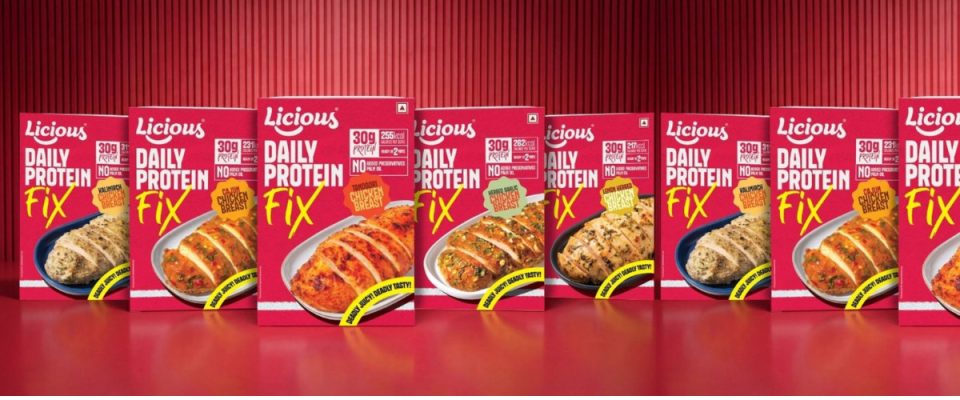
The company is further expanding into convenient protein-led products. Its daily protein range includes a 200-gram chicken breast portion containing around 30 grams of protein, designed for consumers seeking a quick meal with minimal preparation. Licious said the range has achieved a high repeat rate despite limited marketing support.
Through its “Our Good Protein” platform, Licious is also working to promote protein consumption through food rather than relying primarily on powders and shakes. Partnerships and events, including collaborations with the International Club and HYROX, form part of this broader positioning.
Licious’ long-term brand-building approach comes as it seeks opportunities in India’s largely unorganised meat and seafood market. Khanna said the company is focusing on investments that can deliver results over 12 to 18 months, while using targeted campaigns to build categories, own consumption occasions and encourage new habits.
The strategy highlights how food brands are increasingly using regional content, creator partnerships, packaging and product innovation to build trust and develop stronger consumer relationships. For Licious, the objective is to make meat and seafood more convenient, familiar and culturally relevant to Indian households.