

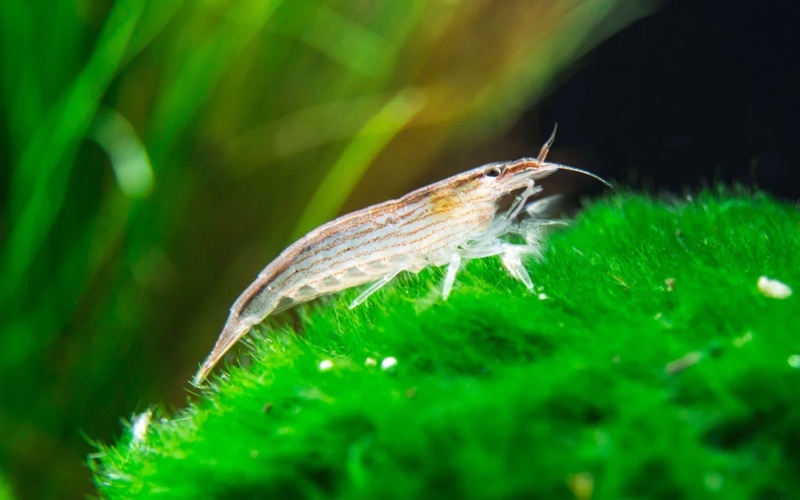
Atyopsis spinipes, the bamboo shrimp, has been rediscovered in India after 72 years. Researchers confirmed its presence in Karnataka and Odisha.
This elusive species uses fan-like appendages to filter feed in clean, fast-flowing waters. Its rediscovery fills a gap in understanding its distribution. The finding underscores the urgent need for more surveys to protect freshwater biodiversity.The rediscovery of the bamboo shrimp Atyopsis spinipes in India marks a significant moment for freshwater biodiversity research. More than seven decades had passed since the species was last documented in the country, during which its presence remained unverified and often debated among aquatic biologists.
A team from the Centre for Climate Change Studies at Sathyabama Institute of Science and Technology in Chennai has now confirmed that this elusive species continues to inhabit parts of India. Their discovery in Karnataka and Odisha highlights both the resilience of the shrimp and the gaps that still exist in the scientific understanding of India’s freshwater ecosystems.
The team included Dr S Prakash, known for his extensive work on shrimp biology, PhD scholar K Kunjulakshmi, and Mangaluru-based researcher Maclean Antony Santos. Together, they conducted detailed field surveys, ecological assessments, and specimen analyses to confirm the identity of the shrimp. Their work demonstrates the importance of long-term monitoring at a time when freshwater species worldwide are under increasing pressure from human activities.
Bamboo shrimp are distinctive within their genus due to their specialised feeding technique. They are filter feeders that rely on fan-shaped appendages to capture suspended particles from fast-flowing freshwater. These fans are delicate, highly sensitive structures that allow the shrimp to sift food from moving water. The method depends on clean, well-oxygenated streams, making bamboo shrimp excellent indicators of environmental health.
If the water quality deteriorates due to pollution or disruption, the shrimp’s ability to feed can be severely affected, often leading to noticeable declines in their overall population.Although the species has been reported from various Southeast Asian regions, it remained largely unknown in the scientific literature from India. Aquarium hobbyists, however, have long been familiar with bamboo shrimp because of their peaceful nature and unique appearance.
Their rediscovery fills an important gap in the understanding of how widely the species may be distributed and how it adapts to different aquatic habitats across Asia.The systematic effort to locate Atyopsis spinipes began in 2022 after an aquarium hobbyist in Odisha reported finding a mature individual. The shrimp could not be obtained for examination and died in captivity, but the brief sighting was enough to raise scientific interest.
The description from the hobbyist provided the researchers with clues about possible habitats and water conditions that might support the species.Recognising the importance of confirming the shrimp’s presence in the wild, the researchers initiated extensive fieldwork. They mapped out rivers, streams and brackish water systems across Odisha and neighbouring states. Their work involved analysing historical records, studying contemporary habitats and identifying sites with ecological features similar to the ones described in the hobbyist’s report.
Karnataka surveys reveal key habitats for bamboo shrimp
Karnataka was not an initial target because earlier records had only mentioned Odisha. However, the researchers soon realised that the amphidromous life cycle of Atyopsis spinipes could allow the species to disperse further than previously assumed. Amphidromous species have larvae that develop in brackish water before migrating to freshwater as they mature.
This aspect of their biology meant that the team needed to look beyond a single state and consider regions where freshwater systems interact with coastal habitats.The researchers focused on areas with sandy riverbeds, thick layers of leaf litter, driftwood accumulation and mangrove growth along the banks. These features create refuges and feeding zones that suit the shrimp’s ecological needs.
Surveying these areas required repeated visits over two years, often under changing seasonal conditions. Udupi, Karwar and Mangaluru became key search locations because their rivers exhibit a mix of freshwater and tidal influences. This ensured that the team was examining environments likely to support amphidromous species.
How bamboo shrimp were misidentified for seventy-two years
The original Indian record of bamboo shrimp had identified the species as Atyopsis mollucensis. The current research has revealed that this earlier classification was likely incorrect. All recent specimens collected in Karnataka and Odisha matched the characteristics of Atyopsis spinipes. Even a previously collected museum specimen from the Andaman Islands was found to belong to the same species.
One explanation for the confusion lies in the larvae of Atyopsis spinipes, which are more tolerant of fluctuations in salinity and temperature. This resilience allows the species to disperse more widely across coastal river systems, increasing the likelihood that it might appear in areas not previously documented. The earlier misidentification shows how easily taxonomic errors can persist if not re-examined using modern scientific methods.
Urgent need for systematic surveys and genetic validation of bamboo shrimp
The research team highlighted the urgent need for more systematic surveys and genetic validation. Misidentifying species can have serious consequences for conservation planning because management efforts may be directed towards the wrong populations. Freshwater ecosystems in India are already under pressure due to infrastructure projects, sand mining, agricultural run off and habitat fragmentation. These threats can alter flow patterns, increase sedimentation and disrupt the delicate ecological balance required by species such as bamboo shrimp.
By rediscovering Atyopsis spinipes, the researchers have demonstrated that many species might still be hidden in India’s rivers, lakes and streams. The discovery reinforces the idea that comprehensive assessments are essential for protecting freshwater biodiversity before more habitats are degraded or lost entirely.