
Vietnam’s largest city expands traceability, tightens street food inspections, and boosts food safety training to protect public health and improve supply chain transparency.
Ho Chi Minh City has intensified its food safety efforts by introducing stronger oversight measures across the food supply chain, expanding traceability initiatives, and increasing inspections of high-risk food businesses. The city’s latest measures are aimed at improving food hygiene, protecting consumer health, and enhancing transparency from production to retail.
A key element of the initiative is the expansion of the “Green Responsibility Label” programme, which encourages suppliers to publicly disclose production processes, product origin, and traceability information. The programme uses digital technologies to verify compliance with food safety commitments and currently includes 12 major retail chains, more than 600 suppliers, and over 11,000 participants across Vietnam’s food ecosystem.
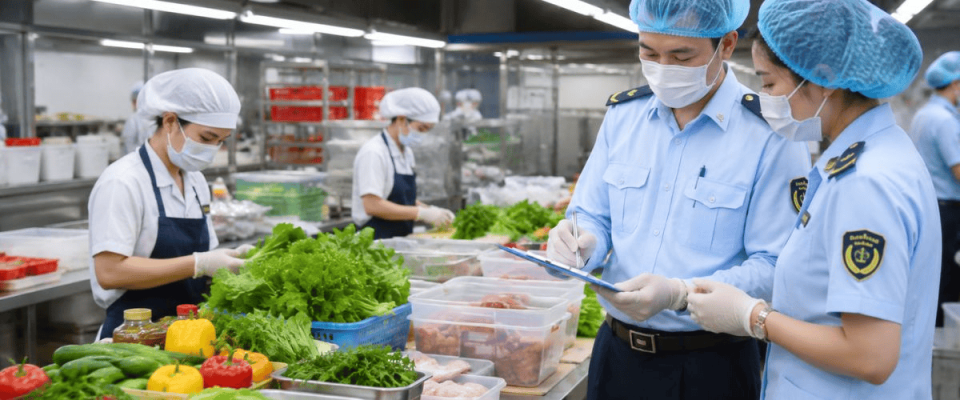
City authorities are also strengthening inspections of food sources by targeting products of unknown origin and businesses lacking proper documentation. The enhanced monitoring is intended to prevent unsafe food from entering the market while improving accountability throughout the supply chain.
Special attention is being given to street food vendors, collective kitchens, and ready-to-eat meal providers, which are considered high-risk segments due to the city’s large population and high food consumption. The Ho Chi Minh City Department of Food Safety has launched a dedicated 2026 action plan to improve food hygiene standards, prevent foodborne illnesses, and strengthen supervision at the local level.
To reinforce food safety management, the department has also introduced training programmes for local government officials and education-sector personnel. These programmes are designed to improve awareness, strengthen regulatory capacity, and establish a community-based monitoring network that supports safer food practices in schools and local communities.
The strengthened measures align with Vietnam’s broader strategy of promoting risk-based food safety management, improving supply chain traceability, and enhancing coordination between regulatory agencies and industry stakeholders. By combining technology, stricter inspections, and industry participation, Ho Chi Minh City aims to build a more transparent, resilient, and consumer-focused food system.