

Weekly plant-based grocery packages were associated with improvements in blood pressure, body weight and BMI among adults facing food insecurity.
A long-term Food Is Medicine program providing medically tailored, plant-based grocery packages was associated with improvements in several cardiometabolic health measures among adults experiencing food insecurity, according to a new study led by researchers from Mass General Brigham. The findings, published in Preventing Chronic Disease, add to evidence that sustained access to nutritious food may support cardiovascular and metabolic health. News-Medical
The researchers analyzed health data from 68 adults who received plant-based grocery packages through the Massachusetts General Hospital Revere Food Pantry. Participants received an average of 97.6 packages over approximately 2.7 years, giving researchers an opportunity to examine a longer-term Food Is Medicine intervention than many previous studies, which have generally focused on programs lasting weeks or months. CDC
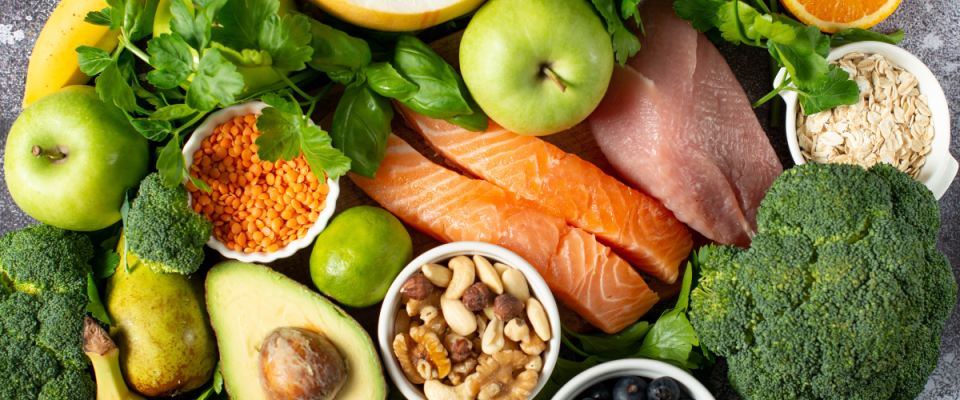
The grocery packages were designed with guidance from a dietitian and followed the USDA 2020 Dietary Guidelines. They included fresh fruits and vegetables, canned beans or nut butter, and whole grains. Each package was intended to provide three meals per day for every household member for one week, with participants able to continue receiving the packages on a weekly basis. CDC
The study found that participants receiving more grocery packages experienced greater improvements in several health measures. Every additional 100 medically tailored grocery packages was associated with an estimated 3.21 mmHg reduction in diastolic blood pressure, a 2.63 kg reduction in body weight and a 1.04 kg/m² reduction in body mass index. CDC
Among participants who had elevated blood pressure at the beginning of the intervention, the researchers also observed reductions in systolic blood pressure. However, the study did not identify a significant overall change in hemoglobin A1c, a blood marker used to assess average glucose levels and diabetes-related health. CDC
The findings highlight the potential importance of the frequency, nutritional quality, quantity and duration of Food Is Medicine interventions. Researchers said that longer-term programs providing nutritious foods regularly may have greater potential to support cardiometabolic health, particularly among people affected by food insecurity. CDC
The program is part of a collaboration between the Mass General Brigham Revere Community Health Center and the Greater Boston Food Bank. The partnership has helped connect food assistance with healthcare services, providing patients with access to nutritious foods alongside their medical care. News-Medical
The researchers noted that the study was retrospective and observational, meaning the findings show an association between receiving the grocery packages and improved health measures rather than proving that the intervention alone caused the changes. Nevertheless, the results provide further support for investigating longer and more intensive Food Is Medicine programs as a strategy for addressing food insecurity and cardiometabolic health. CDC