
The freezer in India was largely a commercial tool. Quick-service restaurants relied on frozen French fries, patties and appetisers to deliver standardisation at scale, while household consumption remained more limited.
That distinction is beginning to blur. A packet of momos ordered for an evening snack, frozen peas added to dinner or parathas delivered from a nearby dark store can place frozen food much closer to the rhythm of everyday eating.
The shift does not mean India is suddenly adopting the large freezer aisles familiar in some Western markets. Its development is following a distinctly Indian path, shaped by vegetarian diets, regional tastes, smaller household storage spaces and, increasingly, digital retail.
Quick commerce creates a freezer aisle without the supermarket
One of the most important developments is happening not inside stores, but on smartphones. Redseer Strategy Consultants estimates that frozen ready-to-cook sales through India’s leading quick-commerce platforms reached around $376 million in 2025, an increase of 88% from the previous year. Vegetarian products represented approximately 47% of the category, while frozen vegetable snacks and peas together accounted for around 40%.
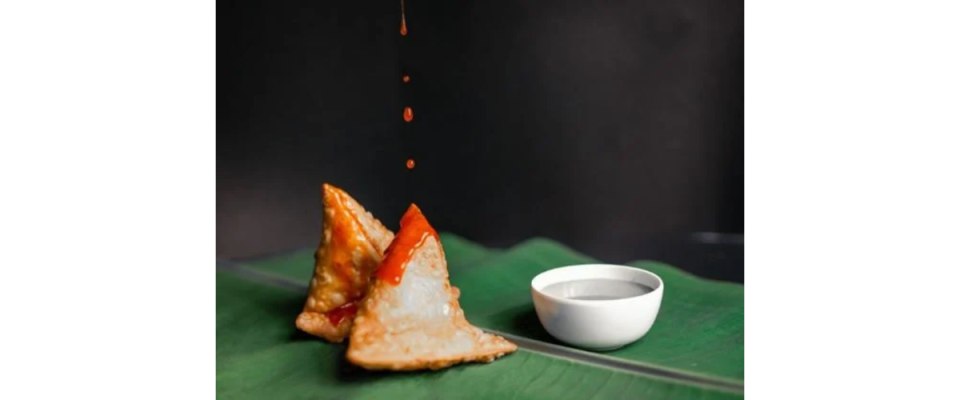
The fastest-moving products tell a more specifically Indian story. Frozen food is not expanding only through imported meals or restaurant-style indulgence, but through familiar staples such as aloo tikki, mini samosas, peas and Indian breads.
Quick commerce also tackles one of the category’s longstanding distribution obstacles. Maintaining freezers across thousands of traditional neighbourhood stores is expensive and operationally complex. Centralised dark stores, fulfilment hubs dedicated to online orders, can concentrate refrigerated infrastructure and give brands access to consumers without requiring a freezer in every local kirana, or neighbourhood grocery shop.
The infrastructure behind the channel is expanding rapidly. Redseer counted around 6,280 dark stores in January 2026, compared with approximately 5,990 a month earlier. Its more recent research projects India’s overall quick-commerce market could rise from around $13 billion in FY2026 to between $70 billion and $90 billion by FY2031.
For frozen suppliers, speed is therefore only part of the attraction. Quick commerce is effectively creating thousands of small digitally connected freezer aisles.
More Indian homes can store frozen food
Faster delivery only expands the market if consumers have somewhere to keep what arrives. Here too, the conditions are changing. Refrigerator ownership, an important proxy for household frozen-storage capacity, has risen sharply over the past decade, particularly in urban India.
The latest available government data shows ownership increasing from 43.8% of urban households in 2011-12 to 68.1% in 2023-24. Rural ownership rose even faster from a much lower base, climbing from 9.4% to 33.2%. More recent research from the Centre for Monitoring Indian Economy suggests that urban households accounted for almost all the growth in refrigerator ownership during the quarter ending September 2026, while rural growth had nearly stalled.
The direction of travel points to a much larger addressable market. NITI Aayog projects refrigerator ownership to reach 90% of urban households and 80% of rural households by 2047. As storage capacity spreads, frozen products gain more opportunities to move beyond immediate-consumption purchases and become part of planned household shopping. That shift also gives manufacturers room to think beyond the familiar QSR staples.
From fries and nuggets to a much broader basket
Foodservice remains an important foundation for frozen food. QSR operators need consistent portioning, year-round supply and products that can be prepared rapidly. Yet household demand creates room for a far more varied portfolio.
Frozen vegetables and potato products retain obvious potential, but India’s ready-to-cook market increasingly stretches across momos, samosas, kebabs, cutlets, parathas, breads and regional snacks. Redseer’s quick-commerce data also identifies smaller categories ranging from Amritsari kulcha and kathi rolls to dough sheets and millet khichdi.