

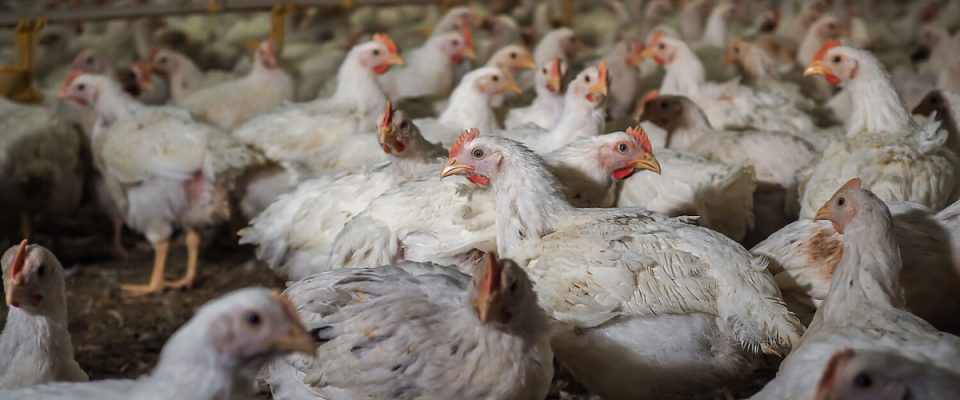
Poultry traders resume operations after producers agree to implement feed-withdrawal guidelines, ensuring improved hygiene and uninterrupted chicken supply.
Chicken traders across Tamil Nadu have called off their proposed strike after reaching an understanding with poultry producers over the implementation of feed-withdrawal guidelines before broiler chickens are transported for slaughter. The decision ensures the uninterrupted supply of chicken across the state while addressing long-standing concerns over food hygiene and product quality.
The dispute centred on the practice of feeding broiler chickens until immediately before dispatch from farms. Traders argued that birds should undergo a prescribed feed-withdrawal period before transportation to allow their gastrointestinal tract to empty, reducing the risk of contamination during processing and improving overall meat hygiene.
Following discussions between poultry producers and trader associations, both sides agreed to adhere to the recommended feed management practices. With the issue resolved, traders withdrew the strike call, preventing a disruption that could have affected thousands of retail outlets, restaurants, and consumers across Tamil Nadu and Puducherry.
Industry stakeholders believe the agreement will improve hygiene standards throughout the poultry supply chain while ensuring better quality products for consumers. The adoption of proper feed-withdrawal practices is also expected to support safer handling, transportation, and processing of broiler chickens in line with food safety recommendations.
The resolution of the dispute brings relief to poultry farmers, traders, retailers, and the hospitality sector, all of whom depend on a stable supply of broiler chicken. It also highlights the importance of collaboration between producers and traders in maintaining food safety standards without disrupting market operations.
With the strike withdrawn and feed norms set to be implemented, Tamil Nadu’s poultry industry is expected to continue normal operations while strengthening consumer confidence through improved hygiene practices and a more efficient supply chain.