
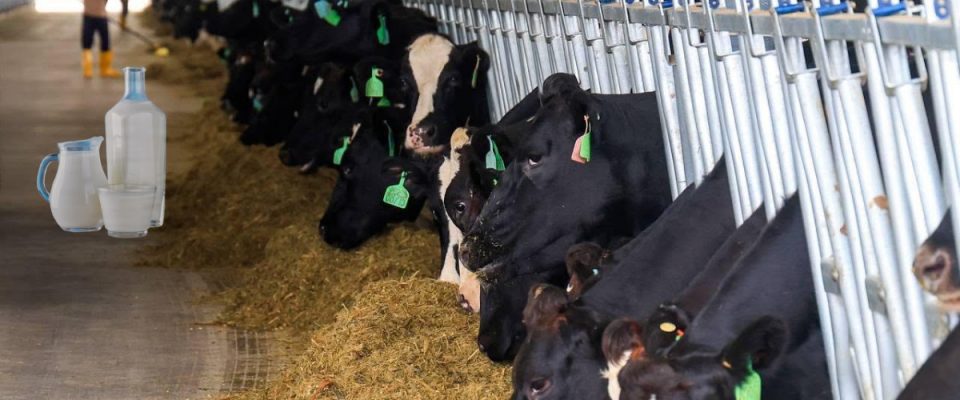
Major investments across 19 states are expanding dairy manufacturing capacity to meet rising domestic and global demand for value-added products
The U.S. dairy industry is experiencing a major investment cycle, with approximately $13 billion being committed to new and expanded dairy processing capacity, according to the National Milk Producers Federation (NMPF). The investment is being described as one of the most significant expansions of dairy manufacturing infrastructure in recent decades.
The projects span 19 states and cover a wide range of dairy categories, including cheese, milk and cream, yogurt, cultured products, butter, powders and ice cream. The investment is expected to significantly increase the industry’s ability to process additional milk produced by U.S. dairy farms.
Major projects include expansions by Chobani in New York and Idaho, investments by fairlife in ultra-filtered milk production and new cheese manufacturing facilities from Hilmar Cheese Company in Kansas and Texas. These facilities are incorporating modern automation, filtration and processing technologies to improve efficiency and maximise the value of milk components.
The investment wave is also responding to changing consumer demand. High-protein dairy products, including Greek-style yogurt, cultured products, protein drinks and whey-based ingredients, are gaining momentum in the U.S. market. Cheese continues to represent another major area of investment, supported by strong domestic consumption and growing international demand.
The processing expansion is expected to provide additional market opportunities for dairy farmers by creating new outlets for growing milk production. According to industry estimates, the announced projects could provide capacity to process around 15 billion additional pounds of milk by 2030.
Exports are expected to play an increasingly important role in absorbing this additional production. Industry representatives see international markets as a major growth opportunity for U.S. dairy products, particularly for cheese, whey and other higher-value ingredients.
At the same time, domestic consumption remains an important driver. Demand for cheese, butter and high-protein dairy foods continues to support investment in value-added processing facilities, while renewed interest in products such as cottage cheese is creating additional opportunities for processors.
The scale of investment reflects confidence in the long-term potential of the U.S. dairy sector. New processing infrastructure is expected to strengthen the industry’s supply chain, support dairy farmers and expand the country’s ability to compete in international dairy markets.
The investment wave also highlights the growing importance of advanced processing technology, automation and value-added manufacturing in shaping the future of the global dairy industry.