

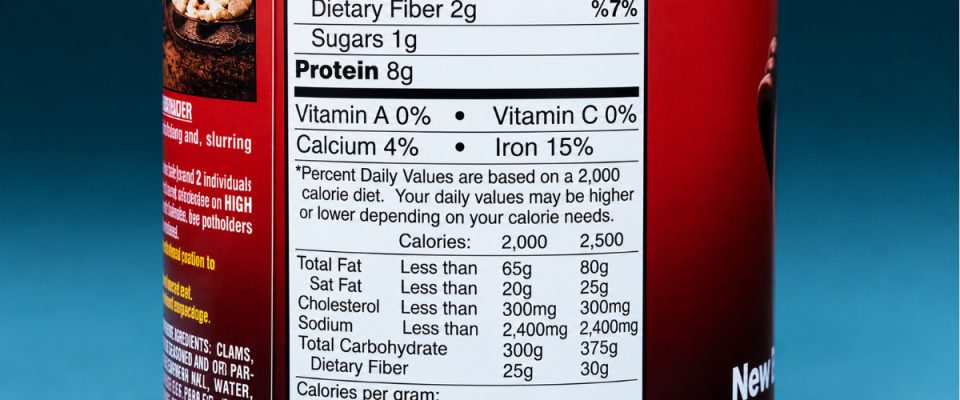
Health-focused words on packaged foods can influence purchasing decisions, but claims such as “baked,” “natural” and “low-fat” do not provide a complete picture of a product’s nutritional profile.
The front of a food package often highlights words designed to communicate a particular product attribute. Terms such as “baked,” “natural” and “low-fat” can create an impression of healthier eating, but each term describes only a specific aspect of the product. Consumers can get a fuller picture by checking the ingredient list and nutrition information on the back of the package.
The term “baked” primarily describes the cooking method. A baked snack may not be deep-fried, but that does not automatically make it nutritionally superior. Depending on the recipe, a baked product can still contain refined flour, salt, fat or significant calories. Therefore, the cooking method alone does not determine the overall nutritional value of the food.
“Natural” can also create a strong perception of wholesomeness. In India, the use of the term is subject to conditions under the Food Safety and Standards (Advertising and Claims) Regulations, 2018. The rules distinguish between a food that qualifies to be described as natural and situations where the word may simply appear as part of a brand name or other wording.
Another commonly seen claim is “low-fat.” This is a defined nutrition claim rather than simply a promotional description. However, reducing fat does not necessarily mean that a food is low in calories or low in sugar. A product formulated with less fat can still contain considerable amounts of sugar or refined starch, depending on its recipe.
The ingredient list can provide important additional information because ingredients are generally listed in descending order by weight. If ingredients such as refined flour or sugar appear near the beginning of the list, consumers can consider that information alongside the product’s front-of-pack claims.
The nutrition information panel adds another layer of context by showing declared amounts of nutrients such as calories, sugars, fat, sodium and protein. Looking at these figures can help consumers compare similar products instead of relying only on health-oriented words printed prominently on the front.
Food-label claims are not necessarily misleading simply because they highlight one characteristic of a product. Nutrient-content claims such as “low” are subject to regulatory definitions in jurisdictions where they are used. For example, the U.S. FDA establishes specific criteria for nutrient-content claims, illustrating why consumers should consider the regulatory meaning of a claim rather than interpreting the wording informally.
Ultimately, terms such as “baked,” “natural” and “low-fat” answer individual questions about a food, but they do not describe its entire nutritional profile. Reading the ingredient list and nutrition panel alongside the front-of-pack claims provides a more complete basis for understanding packaged foods.