

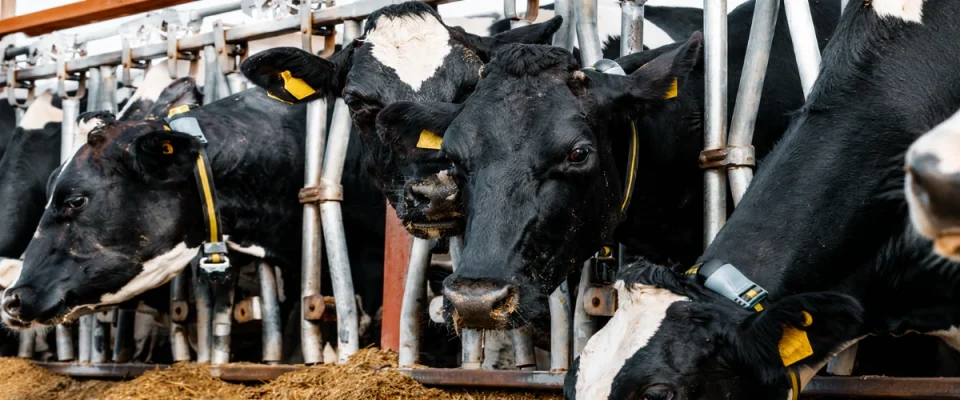
The United States has taken a significant step toward addressing labor shortages in the dairy industry by expanding access to the H-2A agricultural visa program for eligible dairy operations. The move is expected to provide dairy producers with greater flexibility in recruiting foreign workers during periods of temporary or seasonal labor demand.
The updated guidance, issued by the U.S. Departments of Homeland Security and Labor with support from the U.S. Department of Agriculture (USDA), clarifies that dairy operations may qualify for the H-2A visa program if they can demonstrate a legitimate temporary or seasonal need for additional workers. Historically, dairy farms have faced difficulties accessing the program because dairy production requires year-round labor, while the H-2A system was primarily designed for seasonal agricultural employment.
Under the revised policy, dairy producers can now submit H-2A applications through existing procedures, with each petition evaluated individually based on the employer’s demonstrated labor requirements. Federal authorities emphasized that dairy farms will be subject to the same standards and worker protection requirements that apply to all H-2A employers.
Industry organizations have welcomed the announcement, viewing it as a positive step toward alleviating labor shortages that have increasingly challenged dairy operations across the country. The dairy sector has long argued that a shrinking domestic workforce and rising labor demands have made it difficult to maintain production levels and operational efficiency.
According to USDA officials, the clarification recognizes that dairy farms can experience temporary labor surges related to activities such as calving, breeding, feed production, herd expansion, and other seasonal requirements. These situations may now qualify employers to seek foreign workers through the H-2A program under existing legal provisions.
The announcement comes as participation in the H-2A program continues to grow across the U.S. agricultural sector. Farmers increasingly rely on foreign labor to fill workforce gaps as domestic labor availability declines. Agricultural groups have praised the expanded access for dairy farms while continuing to advocate for broader immigration and labor reforms that address the industry’s long-term workforce needs.
Industry analysts believe the policy could improve labor availability for dairy producers, help stabilize milk production, and support the broader agricultural economy. However, many stakeholders note that comprehensive reforms will still be necessary to create a sustainable workforce framework for agricultural industries that require labor throughout the year.