

Majority of U.S. dairy operations resume as company strengthens recovery efforts following cybersecurity disruption
Coca-Cola has restored the majority of production capacity at its dairy subsidiary Fairlife following a ransomware attack that temporarily disrupted operations at its U.S. facilities. The company said production has resumed across its affected sites while recovery efforts continue to restore remaining systems.
Fairlife, known for its ultra-filtered milk, protein beverages, and nutritional dairy products, experienced operational disruptions after unauthorized third-party access affected certain company systems, including production-related technology. Coca-Cola responded by activating its cybersecurity and business continuity measures to manage the incident and begin restoration activities.
The company confirmed that the majority of production at Fairlife’s four U.S. facilities has resumed. Coca-Cola also stated that product quality and safety were not affected during the disruption, while existing inventory helped maintain availability of Fairlife products in retail markets.
The ransomware incident led to a temporary suspension of U.S. production earlier in July, with the company working alongside cybersecurity experts and relevant authorities to investigate the breach and recover impacted operations. Fairlife’s Canadian operations were not affected by the incident.
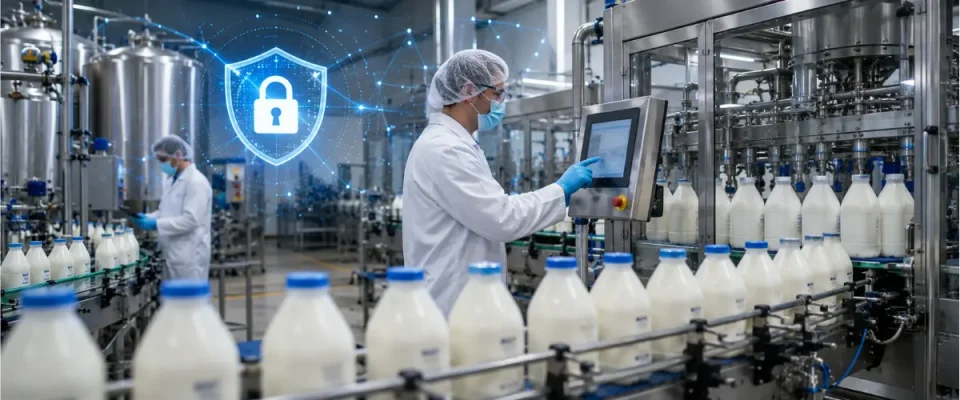
The attack highlights the growing importance of cybersecurity protection across the food and beverage supply chain, where digital systems play a critical role in manufacturing, logistics, and inventory management. Companies across the sector are increasingly investing in stronger security measures to protect production continuity and operational resilience.
Coca-Cola said it does not expect the incident to have a material impact on its financial performance or overall business operations. The company continues working to fully restore all affected systems while strengthening its technology infrastructure.
The recovery of Fairlife’s production facilities marks a positive step toward normal operations and demonstrates the importance of rapid response strategies in maintaining stability across modern food manufacturing networks.