

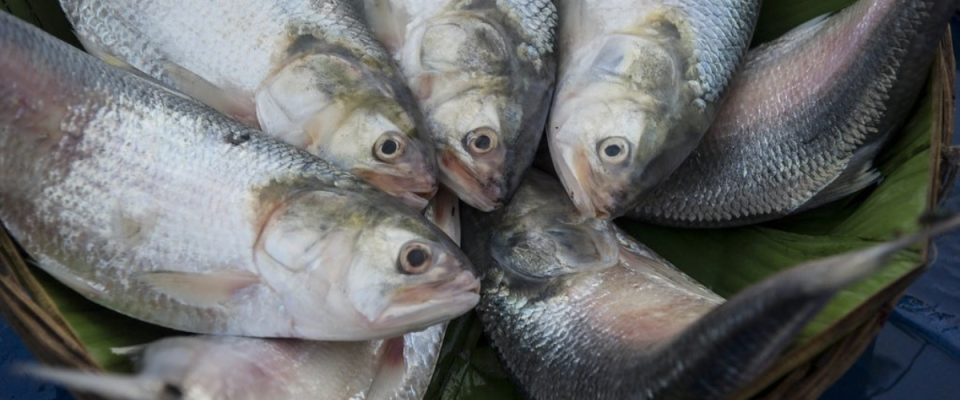
A sudden cancellation of import permissions has disrupted the India–Bangladesh hilsa trade, leaving seafood traders watching closely for clarity on the next move.
The regional seafood trade has been hit by an unexpected development after Bangladesh abruptly suspended imports of hilsa from India, cancelling more than 100 previously issued no-objection certificates (NOCs) for importers.
The decision comes shortly after Indian hilsa, including supplies from Gujarat, began moving into the Bangladeshi market. Hundreds of tonnes of fish had reportedly entered Bangladesh before the latest action brought the flow of new consignments to an abrupt halt.
A Market Caught Off Guard
For seafood businesses, sudden regulatory changes can have consequences far beyond the border. Procurement commitments, transportation, cold-chain arrangements, storage capacity and pricing decisions are all closely linked to the movement of perishable products.
Importers who had already planned purchases based on the earlier permissions are now facing uncertainty, while exporters and logistics operators are also watching for further clarification from the authorities.
More Than Just a Fish Trade
Hilsa occupies a distinctive position in the food culture and seafood markets of both India and Bangladesh. Its strong consumer demand makes the fish an important commodity in regional trade, particularly during periods of seasonal demand.
The recent movement of Gujarat hilsa into Bangladesh demonstrated how cross-border supply can respond when domestic availability and market requirements change. The subsequent suspension, however, underlines the sensitivity of such trade to regulatory decisions.
What Comes Next?
The immediate question for the seafood industry is whether the cancelled permissions will remain suspended or whether a revised framework for imports will emerge.
For exporters, importers and cold-chain operators, the episode reinforces a familiar lesson: *predictability matters as much as market demand when dealing with perishable seafood.*
As authorities assess the situation, the India–Bangladesh hilsa trade will remain one to watch—not only for its impact on traders, but also as an example of how quickly regulatory decisions can reshape regional seafood supply chains.