

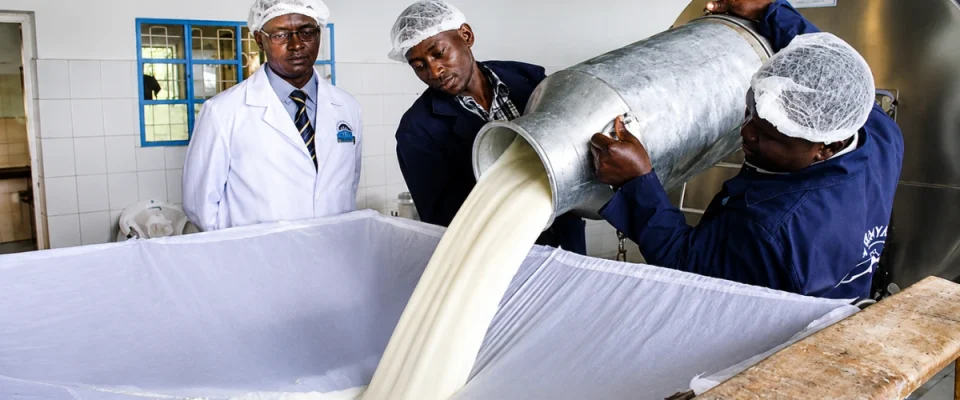
Growth in milk production is being driven by improved livestock health, advanced breeding technologies, expanded dairy infrastructure, and stronger support for smallholder farmers.
Kenya has emerged as Africa’s largest milk-producing nation, surpassing Egypt after recording a significant increase in annual milk output. According to Kenya’s Principal Secretary for Livestock Development, Jonathan Mueke, the country’s milk production has grown from approximately 4.6 billion litres to 5.4 billion litres, placing Kenya at the top of the continent’s dairy production rankings.
The achievement reflects years of investment in livestock development, improved breeding practices, disease control programs, and dairy infrastructure. Government officials attribute the growth to targeted interventions aimed at increasing productivity at the farm level while strengthening the country’s overall dairy value chain.
A key factor behind the increase has been the implementation of a nationwide livestock vaccination program, which has helped reduce the prevalence of major animal diseases, including foot-and-mouth disease. Healthier animals have contributed to higher milk yields, with average milk production per cow reportedly increasing by around three litres per day.
The adoption of advanced breeding technologies has also played an important role. The growing use of sexed semen technology enables farmers to produce female calves with a much higher degree of accuracy, helping expand dairy herds and improve future milk production potential. Increased accessibility of the technology through government support has encouraged wider adoption among dairy farmers across the country.
Kenya’s livestock sector has continued to expand, with the country maintaining a large population of cattle, goats, sheep, and camels. Industry stakeholders believe that improvements in animal husbandry, genetics, feed management, and veterinary services have collectively strengthened the dairy industry’s productivity and competitiveness.
In addition to production-focused initiatives, investments in milk cooling infrastructure and post-harvest handling have helped reduce losses and improve milk quality. Enhanced cold-chain facilities have enabled farmers to preserve milk for longer periods, increasing market access and improving returns for producers.
The milestone further reinforces Kenya’s position as one of Africa’s most developed dairy markets. The dairy sector remains a critical contributor to the country’s agricultural economy, supporting millions of smallholder farmers and playing a vital role in food security, rural employment, and household incomes. Industry observers note that sustaining production growth, expanding processing capacity, and increasing value-added dairy exports will be crucial for maintaining Kenya’s leadership position in the years ahead.