
Government pushes integrated dairy sector development to reduce import dependence and strengthen national food security
Indonesia is intensifying efforts to achieve milk self-sufficiency by accelerating the implementation of a national dairy development roadmap aimed at reducing the country’s heavy reliance on imported milk and dairy products. The initiative forms part of the government’s broader strategy to enhance food security while improving access to nutritious animal-based protein for its growing population.
Speaking during the 2026 Indonesian Milk Day commemoration in Jakarta, Deputy Coordinating Minister for Food Affairs Hanif Faisol Nurofiq emphasized the need for a comprehensive approach that strengthens the entire dairy value chain, from milk production and livestock development to processing and distribution. He stressed that coordinated action among stakeholders is essential to build a resilient and sustainable dairy industry.
Indonesia currently produces approximately one million tons of milk annually, while domestic demand is estimated at around four million tons. As a result, nearly 80 percent of the nation’s milk requirements are met through imports, highlighting the urgency of increasing local production capacity and reducing dependence on foreign supplies.
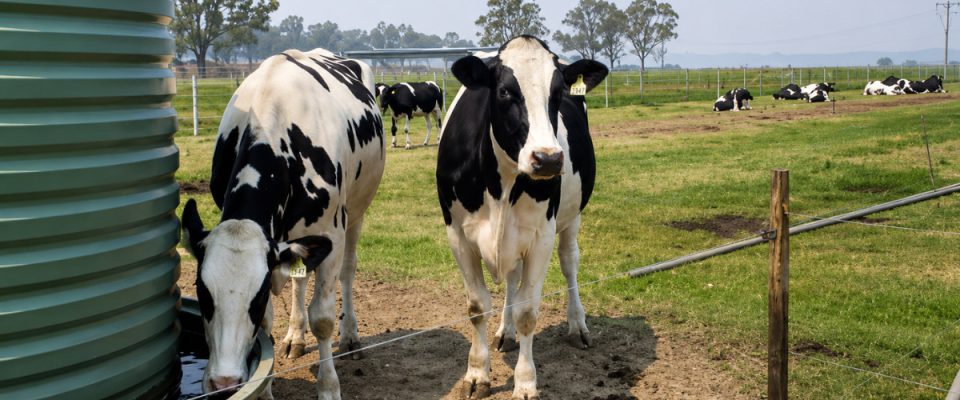
To address this gap, the government is promoting measures to improve dairy cattle productivity, expand milk production, and strengthen support systems for local farmers. Research and innovation are expected to play a critical role in this effort, particularly in developing dairy cattle breeds better suited to Indonesia’s tropical climate and enhancing production efficiency across the sector.
Authorities also view downstream development as a key component of the roadmap. By encouraging investment in dairy processing and value-added products, Indonesia aims to create a more competitive industry capable of generating greater economic benefits for farmers, cooperatives, and agribusinesses. Integrating upstream and downstream activities is expected to strengthen the country’s overall dairy ecosystem and support long-term industry growth.
The government’s commitment to dairy self-sufficiency aligns with broader national food security objectives and ongoing efforts to reduce import dependence across strategic agricultural sectors. Previous plans have outlined targets to significantly increase domestic milk production by 2029 through expanded dairy farming and livestock development initiatives.
Officials remain optimistic that accelerated implementation of the milk self-sufficiency roadmap will not only improve food security but also enhance nutritional outcomes for millions of Indonesians. By fostering collaboration between government agencies, research institutions, private companies, and farming communities, the country aims to build a stronger and more sustainable dairy industry capable of meeting future demand through domestic production.