

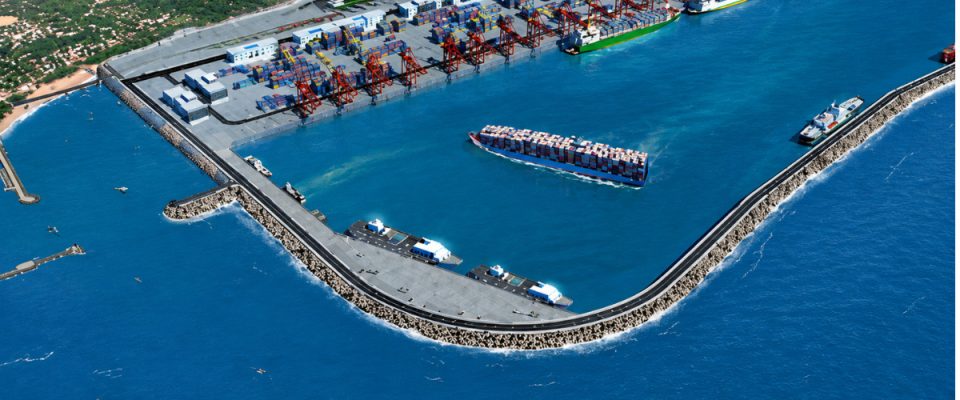
Kerala’s Vizhinjam International Seaport transitions from a transshipment hub to a full-fledged cargo gateway, creating new opportunities for exporters, importers and logistics businesses.
Vizhinjam International Seaport in Kerala has commenced full export-import (EXIM) operations on August 18, 2026, marking a major transformation for the port from an international transshipment hub into a full-fledged cargo gateway for Indian exporters and importers. The commencement follows final Customs approval granted by the Central Board of Indirect Taxes and Customs (CBIC).
The transition is expected to improve cargo connectivity, reduce transportation costs and strengthen supply-chain efficiency for businesses in Kerala and across southern India. The first export container is being flagged off to mark the beginning of the new EXIM services.
For the food and seafood industries, the development could be particularly significant. Direct export infrastructure at Vizhinjam can provide another maritime gateway for frozen seafood, shrimp, processed foods, agricultural products and other temperature-sensitive commodities produced in Kerala and neighbouring states. Improved logistics connectivity can help exporters reach international markets more efficiently while supporting cold-chain movement.
The port’s strategic location close to major international shipping routes is one of its key advantages. Vizhinjam has already emerged as a rapidly growing container hub, handling large container vessels and reaching 2 million TEUs within 18 months of commercial operations, according to the Kerala government.
The new EXIM operations are also expected to benefit MSMEs and export-oriented manufacturers by providing an additional route for international cargo. For food processors and seafood exporters, shorter and more efficient logistics chains can improve delivery reliability and help maintain product quality during international transportation.
The Kerala government is also promoting Mission Samudra, a broader maritime development initiative aimed at integrating ports, logistics, manufacturing, inland waterways and multimodal connectivity. A business summit involving shipping companies, logistics firms, exporters and investors is planned as part of the initiative.
Initially, Customs has specified certain conditions for EXIM cargo operations. Import movements are focused on full-container-load (FCL) containers eligible for direct port delivery, while export operations include factory-stuffed and self-sealed FCL containers.
The launch therefore represents an important development for India’s food, seafood and export logistics ecosystem. By adding another direct international cargo gateway in southern India, Vizhinjam could strengthen regional supply chains, improve export competitiveness and create new opportunities for seafood processors, food manufacturers and agricultural exporters.