

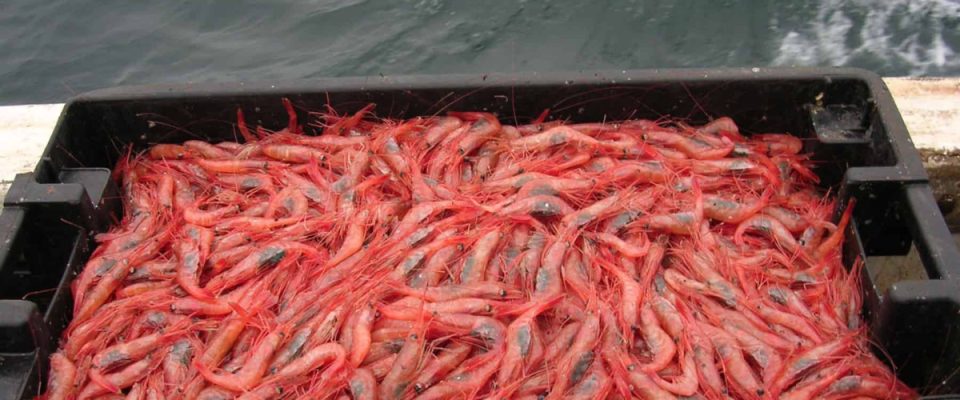
Recovery of northern shrimp populations prompts Canada to reopen commercial harvesting in eastern Newfoundland and Labrador, boosting prospects for coastal fishing communities.
Canada has announced the reopening of its commercial northern shrimp fishery in Shrimp Fishing Area (SFA) 7 off the coast of eastern Newfoundland and Labrador, marking the end of a closure that lasted for more than a decade. The decision follows scientific assessments indicating that northern shrimp stocks in the region have recovered sufficiently to support a carefully managed commercial harvest.
The fishery was originally closed in 2015 after a significant decline in shrimp populations raised concerns about the long-term sustainability of the resource. Over the years, strict conservation measures, ongoing scientific monitoring, and favorable environmental conditions contributed to the gradual recovery of the stock. Recent assessments confirmed that the population has reached levels that can sustain a controlled reopening.
Canada’s Minister of Fisheries announced that a domestic Total Allowable Catch (TAC) of 1,367 tonnes has been established for the 2026–27 fishing season. The reopening applies to the Canadian-managed portion of SFA 7 and is expected to provide new economic opportunities for harvesters, processors, and coastal communities that have long depended on the shrimp fishery for employment and income.
The return of the fishery is being welcomed by industry stakeholders, particularly in Newfoundland and Labrador, where northern shrimp has historically been one of the region’s most valuable seafood resources. The reopening is expected to support local economies while helping to strengthen Canada’s seafood sector amid growing global demand for sustainably sourced seafood products.
Fisheries managers have emphasized that sustainability will remain a top priority. Ongoing stock assessments, quota controls, and monitoring programs will continue to guide management decisions to ensure that shrimp populations remain healthy and productive in the long term. The reopening reflects a precautionary approach designed to balance economic benefits with resource conservation.
Industry experts note that the recovery of northern shrimp stocks represents a positive development for Canada’s fisheries sector, demonstrating how science-based management and conservation measures can contribute to rebuilding marine resources. The reopening may also improve seafood supply chains by increasing the availability of cold-water shrimp, a product valued in domestic and international markets.
The decision comes amid broader efforts to strengthen Canada’s fishing industry through sustainable resource management and long-term ecosystem stewardship. As commercial harvesting resumes, authorities will continue to closely monitor stock health to ensure that the recovery achieved over the past decade is maintained for future generations.