

Rising consumer demand, expanding trade ties, and a growing middle class create new opportunities for Vietnamese food, seafood, and agricultural products in Indonesia.
Indonesia is emerging as a promising destination for Vietnamese food and agricultural exports, offering significant growth opportunities for producers seeking to expand their presence in Southeast Asia’s largest economy. Strengthening economic relations between the two countries, coupled with Indonesia’s growing consumer market, are creating favorable conditions for increased trade in food, seafood, and agricultural products.
With a population exceeding 280 million and a rapidly expanding middle class, Indonesia has become one of the region’s most attractive consumer markets. Rising disposable incomes, urbanization, and changing consumption patterns are driving demand for a wide range of imported food products, including processed foods, seafood, beverages, fruits, vegetables, and agricultural commodities.
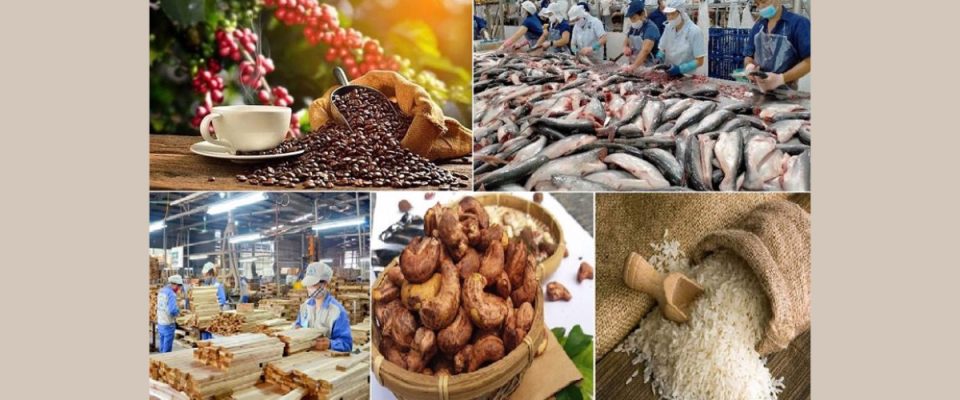
Trade experts note that Vietnamese exporters are well positioned to capitalize on these opportunities due to the competitive pricing, quality, and diversity of Vietnam’s food and agricultural products. Key export categories include seafood, rice, coffee, pepper, cashew nuts, fruits, processed foods, and other value-added agricultural products that continue to gain recognition in international markets.
Indonesia and Vietnam have experienced steady growth in bilateral trade over recent years. Economic cooperation agreements and regional trade frameworks within ASEAN have facilitated greater market access and reduced barriers for exporters, enabling businesses in both countries to strengthen commercial partnerships and supply chain connections.
Vietnamese seafood producers, in particular, are expected to benefit from increasing demand in Indonesia’s foodservice and retail sectors. Processed seafood products, frozen foods, and value-added food items are gaining popularity as consumers seek convenient, high-quality food options. Similarly, Vietnam’s agricultural products continue to attract interest due to their competitive quality and consistent supply capabilities.
Industry observers believe that Indonesian consumers are becoming more receptive to international food products, creating opportunities for Vietnamese brands to establish a stronger market presence. Expanding modern retail networks, e-commerce platforms, and food distribution channels are further improving market accessibility for foreign suppliers.
However, exporters are encouraged to carefully navigate Indonesia’s regulatory environment, food safety standards, labeling requirements, and halal certification processes. Compliance with local regulations remains essential for successful market entry and long-term business growth.
Business organizations and trade promotion agencies from both countries continue to encourage greater collaboration between manufacturers, exporters, distributors, and retailers. Trade fairs, business matching events, and investment initiatives are expected to further strengthen commercial ties and create new opportunities across the food and agriculture sectors.
As consumer demand continues to rise and bilateral trade relations deepen, Indonesia is increasingly being viewed as a strategic export destination for Vietnamese food and agricultural products. The growing market presents significant potential for businesses seeking to expand their regional footprint while contributing to stronger economic cooperation between the two ASEAN nations.